Franchise Killers: Four Fraudulent Sequels


Feature
We all know games need to make money. One of the latest methods that the industry has clung to is releasing a truckload of sequels. But it seems that this process is not without sacrifice.
Need For Speed: The Run
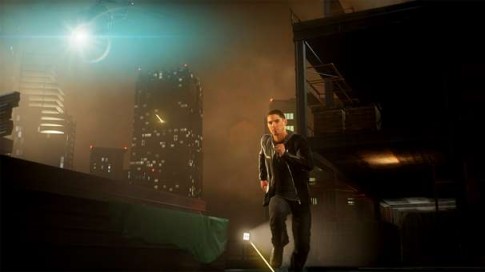
Time now, to move onto a franchise that is, quite frankly, running out of ideas – Need for Speed. Whilst not being the hardcore racing fan that Need for Speed is aimed at, I have enjoyed several of the titles in the series, especially Most Wanted. This new entry in to the series seems to be an evolution of this game, and a further deviation from the series’ roots. Whilst mixing up the formula of a franchise is not deterministically a bad thing (with the likes of Grand Theft Auto undoubtedly benefiting from such a move), change can be a negative experience, and that seems to encompass my feelings about The Run.
It was clear to both the casual observer and EA that something was needed to mix up the typical racing formula of the Need for Speed series and add a little 'spice' after its 17 year life span. But instead the developers thought it wise to add an out-of-the-car experience. Now, I have heard of breaking the mold, but this move is disregarding the mould entirely. Think this premature negativity? Consider the fact that these on-foot sections are merely over-the-top quick time events; the least interactive and most tiresome concept in gaming today. It is probably not a coincidence that a series which has emulated the Fast and the Furious series since the Underground era, has taken a turn towards the latest film by adding out of car sequences. It stops at adding The Rock and gunfights however, maybe that is where it is going wrong. Either way, the ‘game’ has turned more cinematic, or has at least attempted to turn cinematic with the detestable quick-time events, and this will probably detract from what the fans actually want- pure unadulterated adrenaline-filled racing. In all probability, these sections are only going to annoy players, and due to this they may find themselves returning to another series for their racing needs. That’s a problem for EA.
Sequelitis
The crux of the problem with all of these titles is simple – new IPs are a risky venture. Brand loyalty sells, and publishers are afraid of trying to attract an audience that might not notice the game has come out. The fear of low sales in the shaky economy of the last few years means that, while developers are given freedom, the publishers have to market it under an umbrella title. This means that sequels are no longer just improvements or an introduction of a few fresh ideas to a previous game, but merely a completely different game all together.
The upside of ‘sequelitis’ is that the games tend to sell, which means the developers can survive and continue to make games. The downside is that it can annoy the fans of the original series, who often feel betrayed by the change in direction. Only time will tell the fate of these franchises now that they have been subjected to such drastic changes. But the likelihood is that we will see more and more franchises rebooted, shocked back to life and ripped apart due to the demands of fear-driven publishers.