Project Motor Racing

Review
A Stunning Chassis with a Temperamental Engine
by William Thompson
reviewed on PC
The Driving Experience
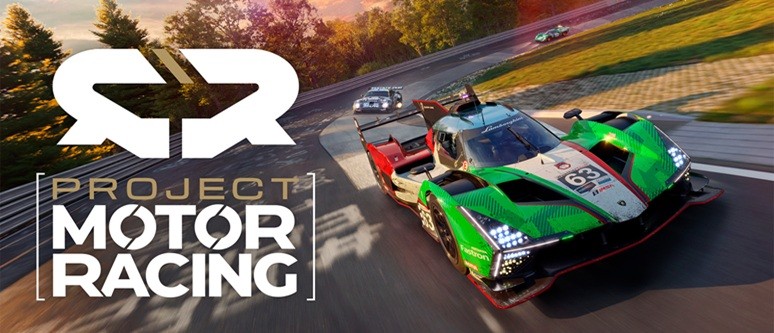
From a visual standpoint, the game is undeniably beautiful. The tracks are rendered with impressive detail, and the lighting and environments are top-tier. There is a decent number of tracks to race on, and I had plenty of opportunities to admire the scenery—mostly while sitting stationary on the grass after one of my numerous spin-outs.
The garage offers a robust selection of vehicles, and importantly, they don't all feel the same. Each car has distinct handling characteristics, adding depth to the game. For the petrolheads, the setup options appear extensive; every vehicle can be tinkered with to create an "ultimate driving setup." As someone who isn't mechanically minded, I stuck to the default settings for my races. While this makes the game accessible, my lack of tuning may have contributed to some of the handling struggles I faced later on.
Issues on the Track
Unfortunately, once the lights go out, the cracks in the experience begin to show. My first hurdle was the default cockpit view, which felt claustrophobic and offered limited visibility. This was particularly problematic on tracks with drastic elevation changes. Navigating the iconic downward slopes of Mount Panorama became a nightmare simply because I couldn't see enough of the track ahead to judge the descent.
The racing itself is made difficult by aggressive AI. Even with the difficulty rating lowered, opponents are tough and cling to their racing lines at all costs. While you can occasionally use this predictability to your advantage, it more often leads to frustration. The AI drivers refuse to yield, often bulldozing you out of the way. To make matters worse, the collision physics are unforgiving; a slight bump from an opponent often results in a full spin-out or being knocked off the track. But then getting hit with a track limit penalty for spending time off the track is downright infuriating, especially when it wasn't your fault in the first place. Getting back on the track should certainly be enough of a penalty.
I played using a controller, and the experience felt inconsistent. The steering was often hypersensitive on straights—a micro-adjustment would send the car careening toward a barrier or the grass, and any attempt to correct it led to wild fishtailing. Conversely, when approaching bends, the car often refused to turn sharply enough, even at lower speeds. While players with a dedicated racing wheel might find the steering more accurate, controller users may find it a constant battle.
Hitting the chequered flag
Project Motor Racing is a visually stunning title with a lot of potential for hardcore simulation fans who love to tweak gear ratios and suspension settings. However, for the more casual racer or controller user, the experience is marred by uneven difficulty, frustrating AI behavior, and a penalty system that feels unjust. It's a beautiful ride, but one that might leave you spinning your wheels.
As always, follow Hooked Gamers on Instagram for news updates, reviews, competitions and more.
6.0
fun score
Pros
Nice representations of a wide variety of vehicles and tracks
Cons
Finicky controls and a default view that can make visibility difficult


