Dominus Gladiatus

Review
A life in the colosseum
by Howie Howard
reviewed on PC
Dominus Gladiatus Ludus, what does it all mean?
Dominus Gladiatus is the new ancient Roman Empire simulation game from indie developer Brain Seal Ltd, published by PlayWay S.A. Before diving in, I had to figure out what a dominus gladiatus ludus actually is. A quick look at the Latin reveals that dominus means "lord" or "owner," ludus refers to a gladiator training school, and gladiatus is likely a variation on gladius (the Roman short sword). Put together, you are essentially a Gladiator Training School Owner - which would have been a much easier title on my brain!
What does a budding Roman Ludus Dominus really do?
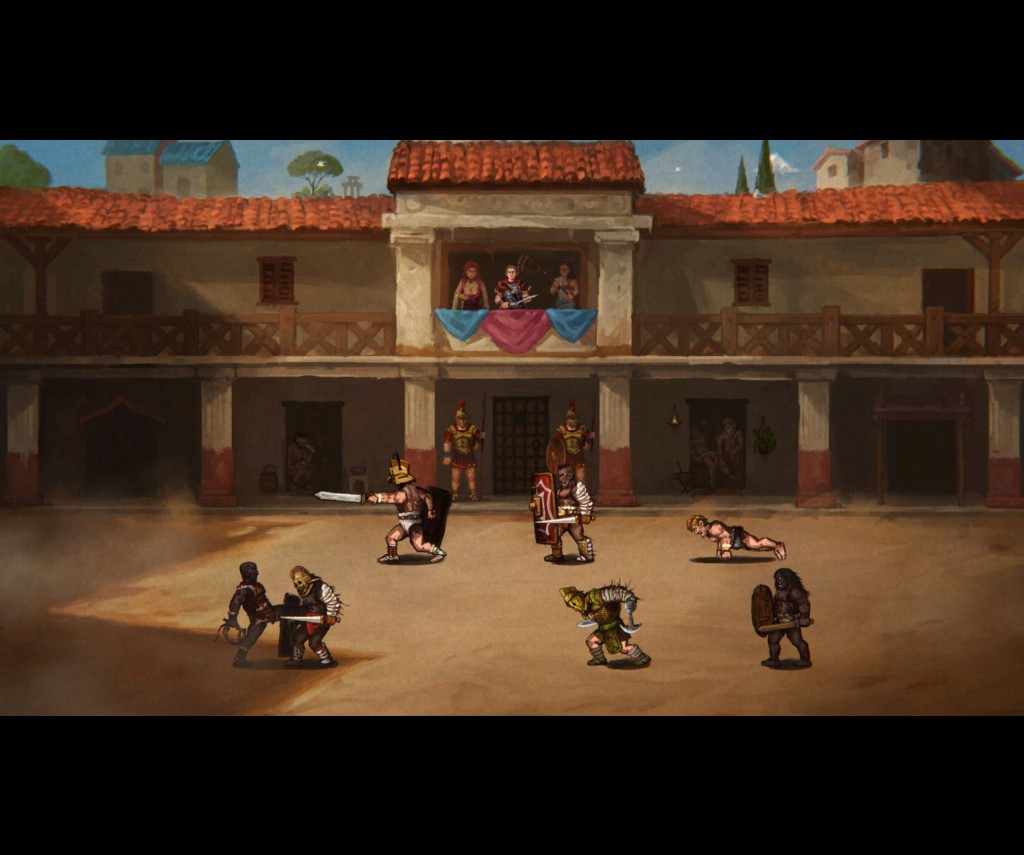
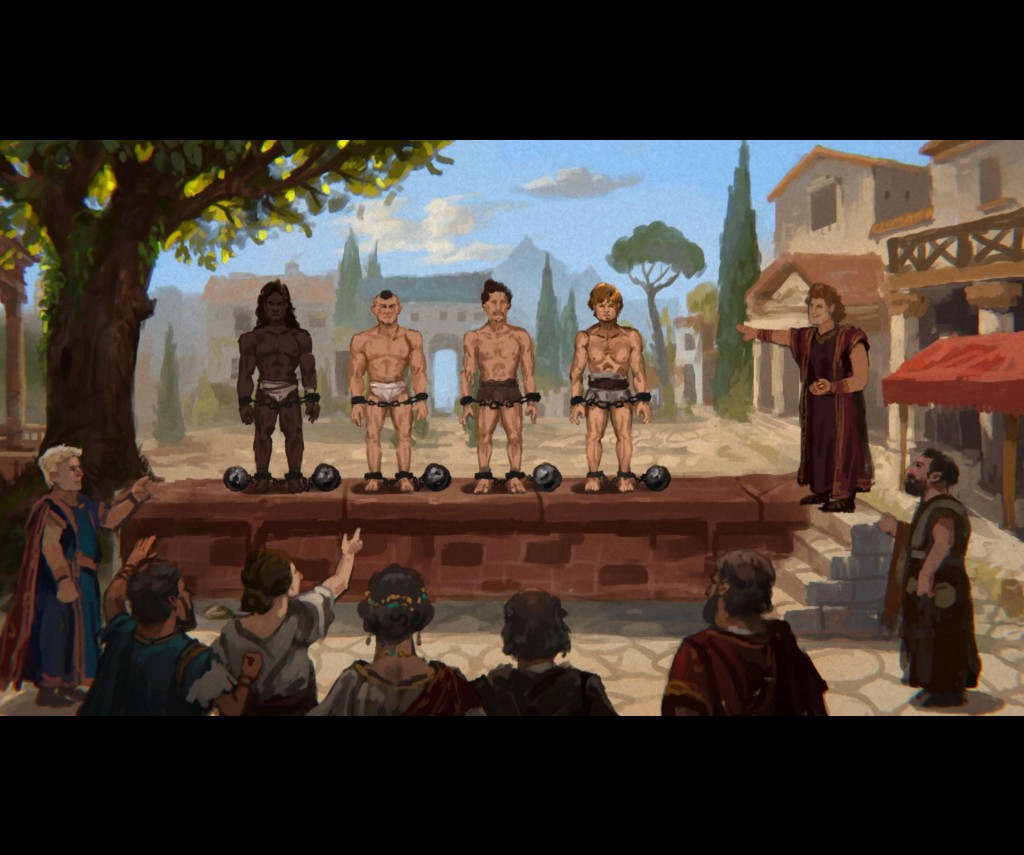
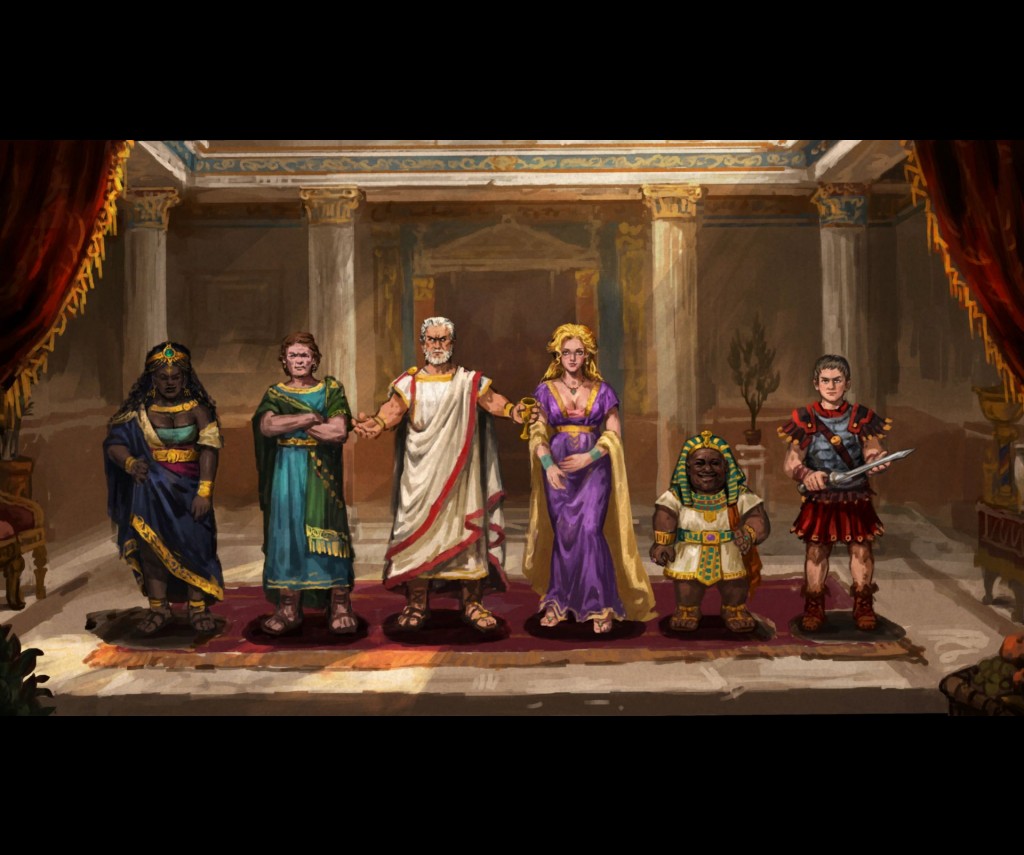
As the owner of a gladiator training school, your job is to recruit, train, equip, and keep your fighters alive in the arena so you can earn coin and eliminate five rival Domini. You start with a single gladiator and roughly a hundred Roman "dollars" (since my Latin vocabulary is officially tapped out). You'll spend that cash at the slave market to buy new recruits, outfit them with weapons and armor, and occasionally bribe them so their morale and fatigue don't bottom out. You can also hire advisors to boost stamina, morale, healing, income, or the quality of slaves available in the market.
In adition to the monetary expenditures, there is a surprisingly deep simulation here. As a Roman Ludus Dominus there are many duties that need to be taken care of and training gladiator champions is the most important. Skill sets depend on fighter class—ranging from battle-hardened sword-and-shield warriors to net-throwing spear fighters and dual-wielding specialists. A recruit's class is revealed after purchase, and the three or four slaves available at any given time are priced according to their quality. You get what you pay for: pricier recruits start with higher hit points and better base skills. Just be careful not to burn through your funds before the next Colosseum match - I ran out of money early on and my game abruptly ended in bankruptcy.
How are Colosseum battles won, and what happens if you lose?
Colosseum matches take place roughly every five to seven in-game days, occurring a bit more frequently early in the (around) 165-day campaign to help keep your coffers full. Early bouts pay around a hundred bucks, while later, more extravagant spectacles offer much larger payouts. Between fights, you'll spend days training your fighters to boost hit points, evasion, or weapon damage, with higher skill tiers taking progressively longer to master. Keep a close eye on fitness and morale during training. A morale level of five or six is ideal and lets a gladiator train to his heart's content, but if it drops to one or zero, he will refuse to train or fight - and may even take his own life.
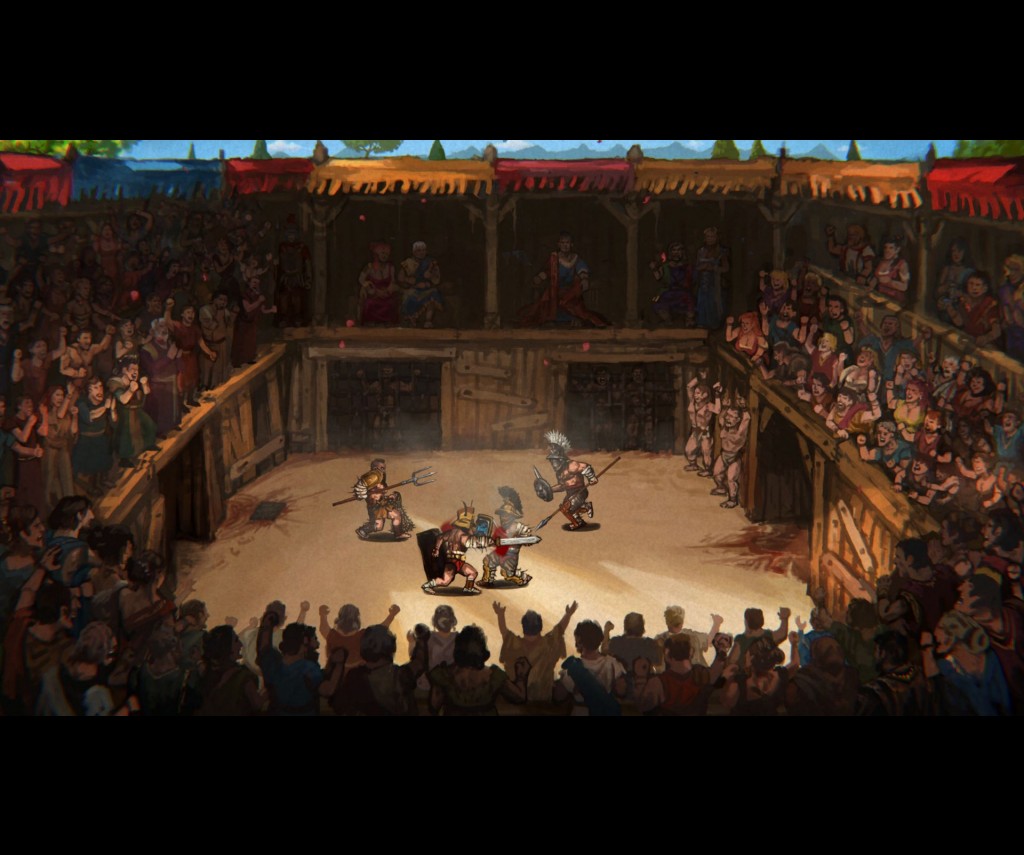
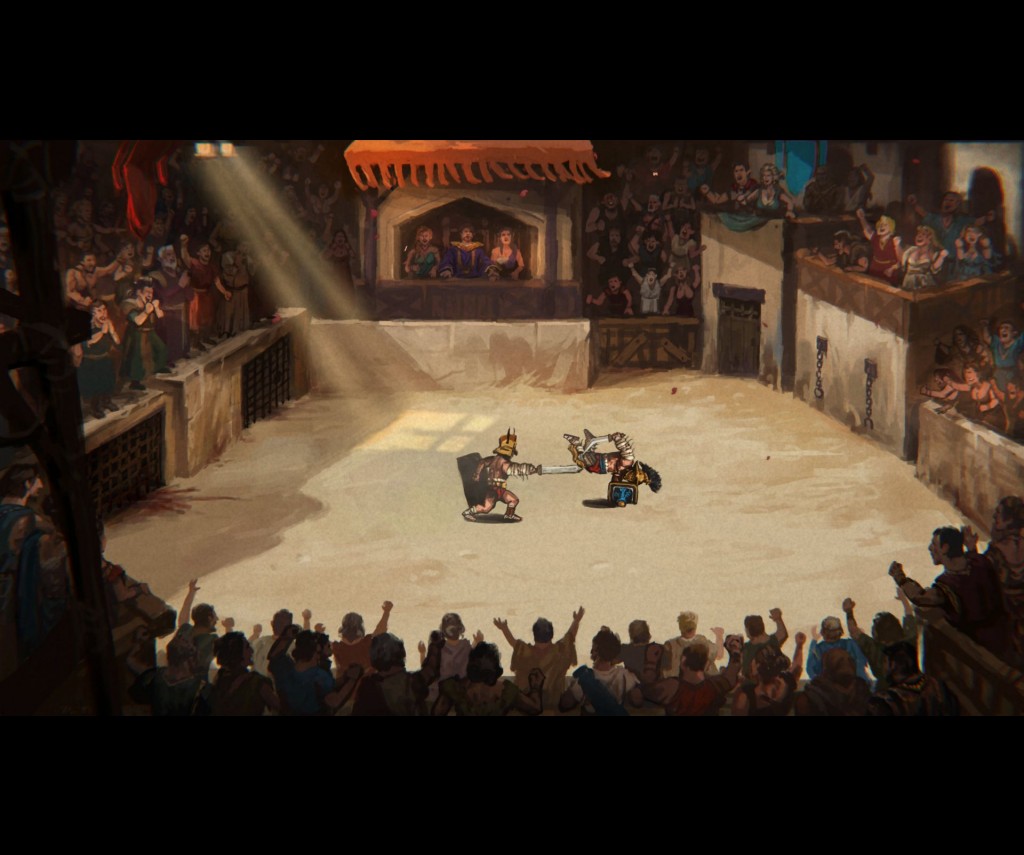
Matches start as one-on-one duels before scaling up to multi-fighter brawls. If your gladiator loses, his survival depends on the crowd's reaction. If the match is lost and the determination is a thumbs up, then the crowd was relatively happy and entertained, then your fighters life will be spared and he can go on living with just a loss of morale and some fatigue. A thumbs down determination will seal the gladiators fate and he will be put to the sword.
Even surviving a bout comes with consequences. Fighters walk away with injuries - like deep wounds or a cracked skull - rated by a severity percentage that hampers their combat effectiveness until healed. If a fighter dies, you must choose whether to enshrine his name in your ludus with honor or dishonor; dishonoring him will tank the morale of your remaining roster. Losing a veteran hurts since all his hard-earned stats vanish with him. To keep survivors happy and rested, you can grant days off, offer bribes, build better dwellings, or pay for a few pleasurable distractions.
What do Colosseum battles look like?
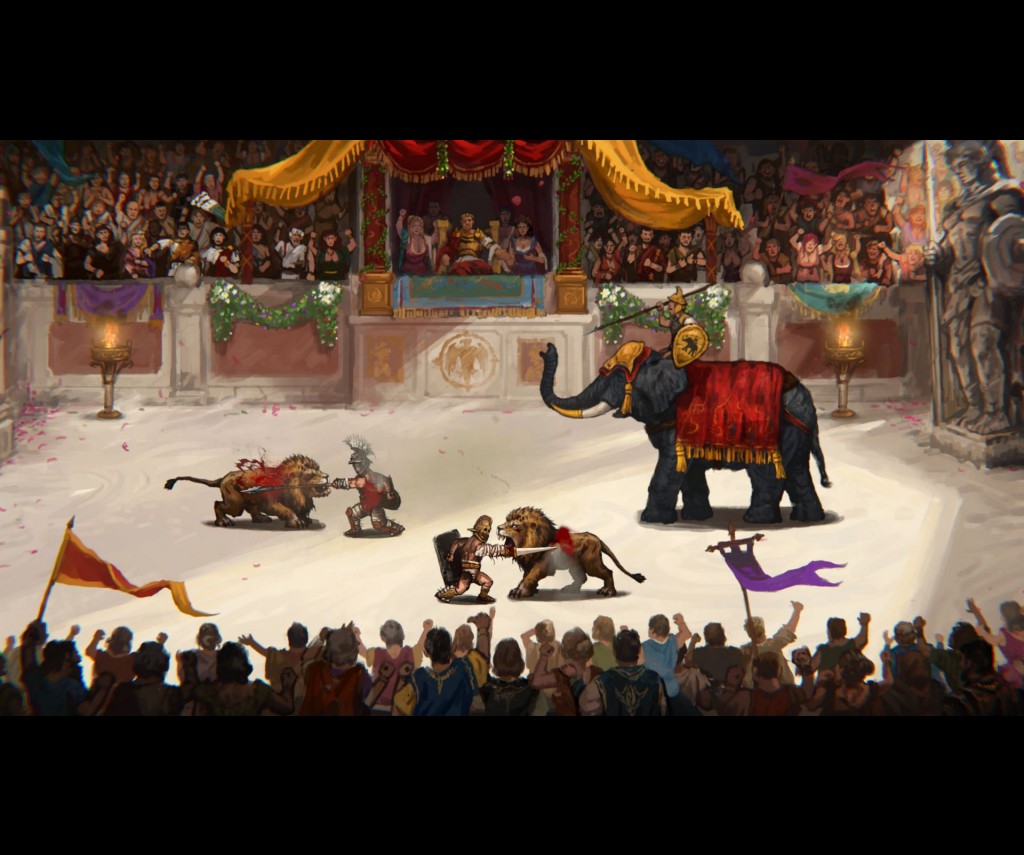
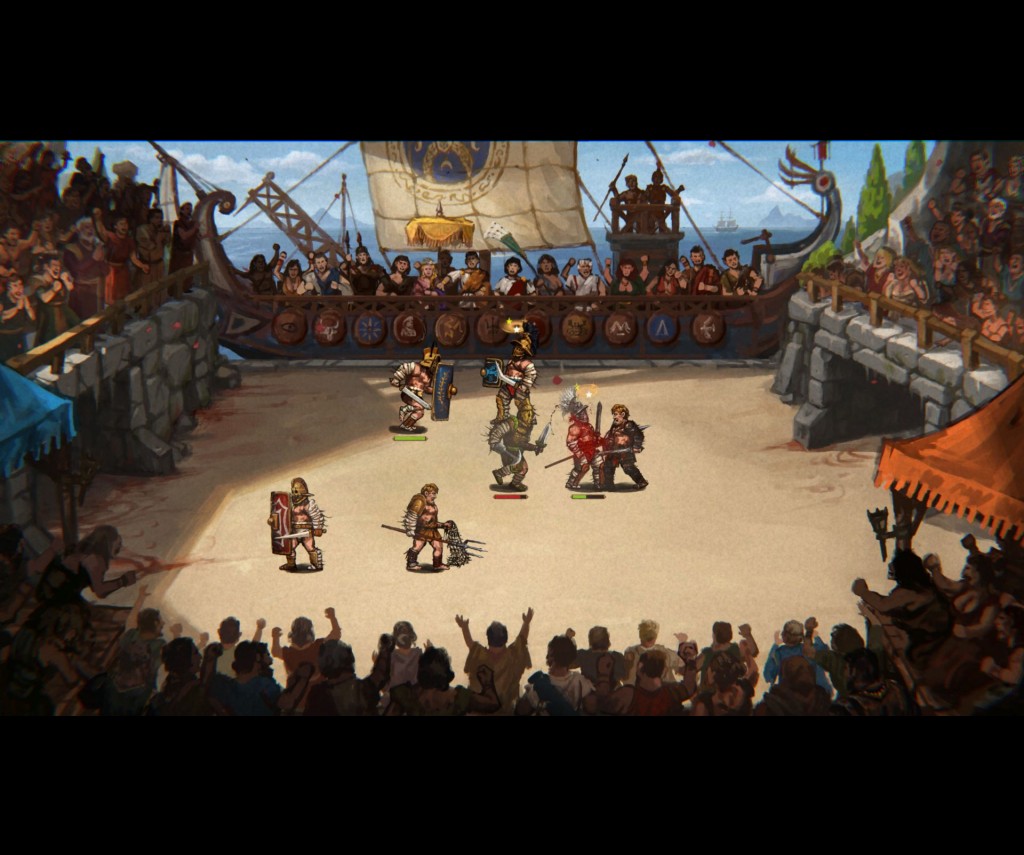
They are brutal - and entirely hands-off. Once the fight starts, outcomes are calculated automatically based on your gladiator's skill levels and how well he plays to the crowd. As your ludus grows, the spectacles escalate from simple duels to two-on-two skirmishes, bouts against wild animals like lions and ostriches, and eventually massive clashes against war elephants.
Everything builds toward a climactic boss showdown against your declared nemesis - a rival school owner chosen at the start of the campaign. It won't be an easy fight, especially since gladiators will ask to retire once they hit roughly 15 matches, though you can also retire them early with honor, forcing you to train up fresh replacements.
Are there any dents in the armor?
Dominus Gladiatus has a few rough edges, though nothing game-breaking. I didn't encounter any major bugs - aside from losing my top champion due to my own poor management, though a two-to-three-hour campaign length makes starting fresh relatively painless. The background audio is fairly sparse, and while the visuals aren't cutting-edge HD, their stylized Roman aesthetic gets the job done. Battles can start to feel repetitive once you've seen every enemy type, even if the escalating difficulty keeps things tense. There is room for the developers to layer in more depth down the road, but in the relatively sparse gladiator-management genre, Dominus Gladiatus is a solid, engaging effort.
As always, follow Hooked Gamers on Instagram for news updates, reviews, competitions and more.
8.8
fun score
Pros
A nicely done and quite fun Gladiator simulation. A very good possibility for replayability.
Cons
Limited music and background audio which kind of brings me back to my early days in computer gaming.