Hollow Knight: Silksong

Review
Bugs Life
by Samuel Corey
reviewed on PC
The Long-Awaited Return
The original Hollow Knight came out of left field and secured a spot for itself in the pantheon of great metroidvanias alongside Super Metroid and Castlevania: Symphony of the Night. Not bad for the fledgling outing of a game studio nobody had heard of before. Of course, such wild success meant that the pressure was on for Team Cherry's sophomore outing; after all, it's no small feat to make a worthy sequel to one of the genre's greatest exemplars. Moreover, the indie Metroidvania genre is significantly more crowded now than it was in 2017. Could a sequel to Hollow Knight really stand tall next to such titans like Ori and the Will of the Wisps, Prince of Persia: The Lost Crown, and Bloodstained: Ritual of the Night that had released in the interim?
As it turned out, the answer was a resounding: Yes.
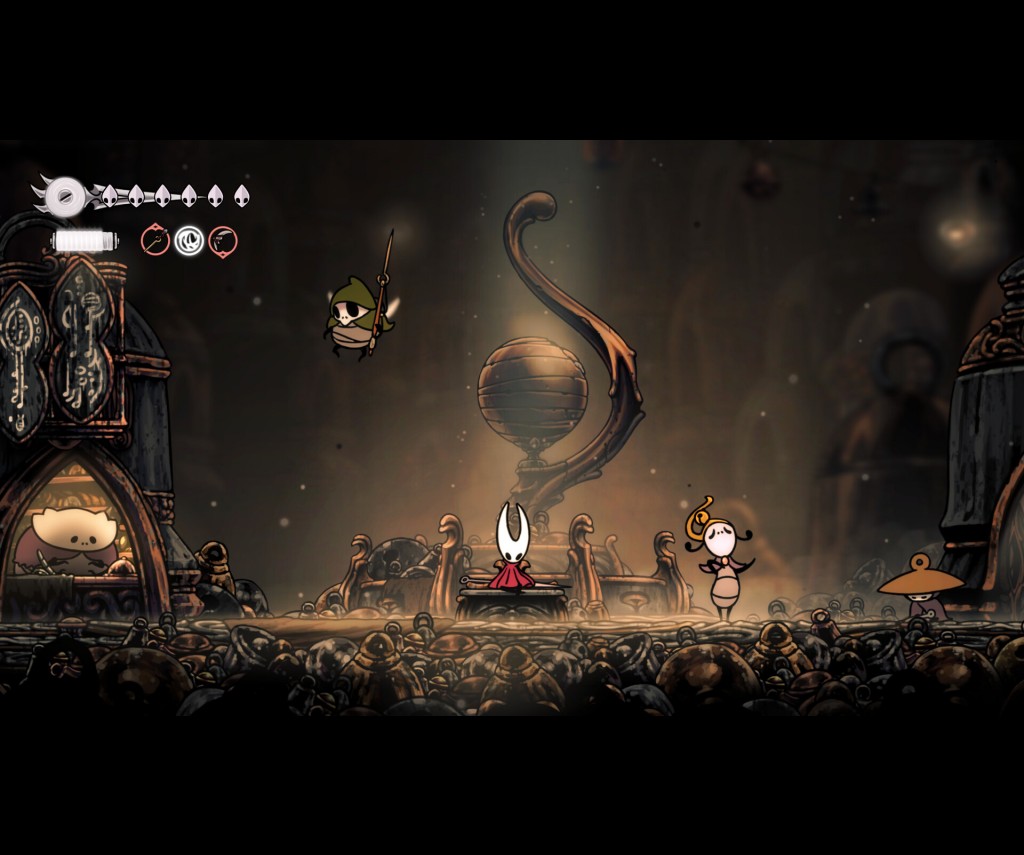
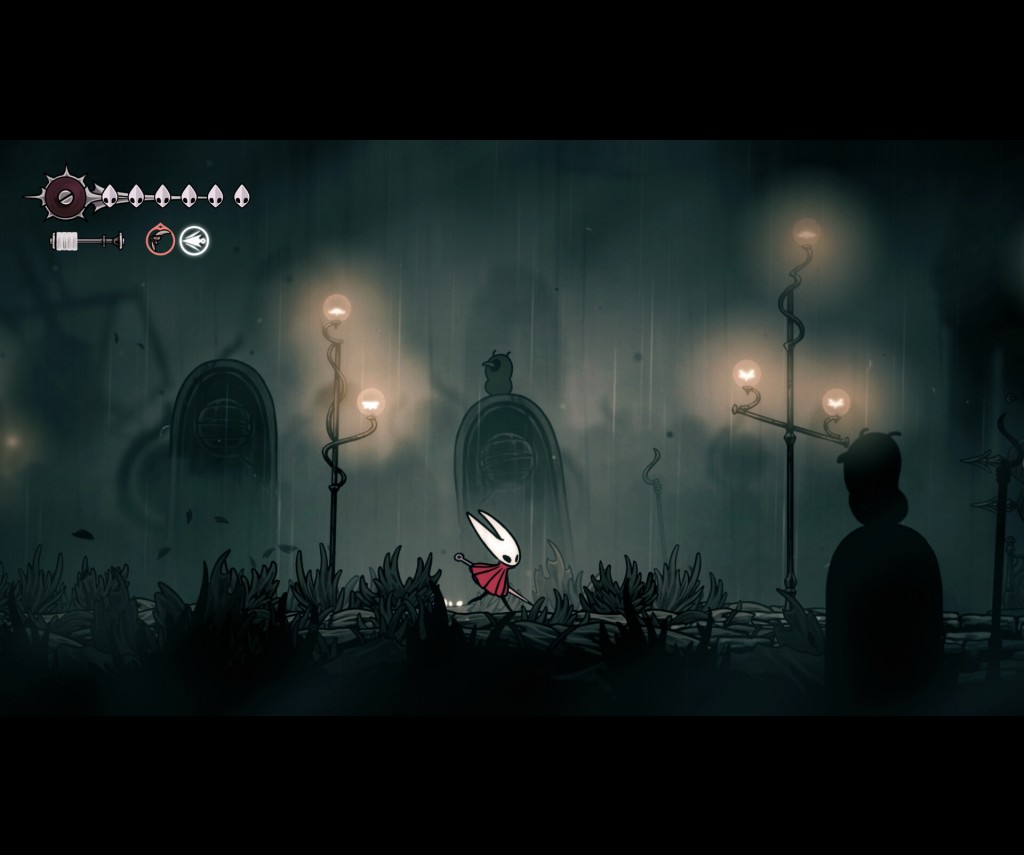
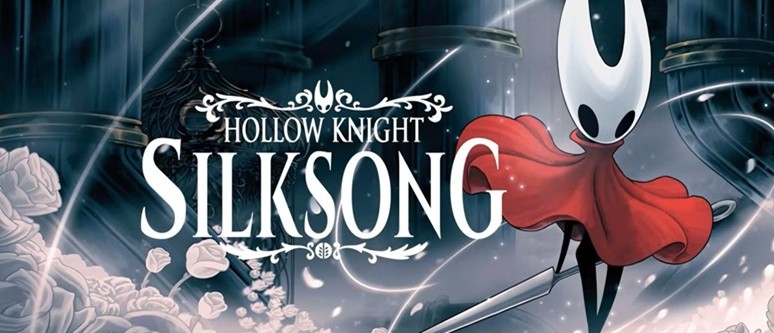
The story follows Hornet, a supporting character and occasional boss fight from the original Hollow Knight, after she has been abducted by mysterious bugs and brought to the distant, haunted kingdom of Pharloom. Pharloom does resemble Hollow Nest in the sense that it is a great civilization that has been fallen to ruin and madness in the classic Souls-like fashion; however, where as Hollow Nest had collapsed into ruins and anarchy, Pharloom still has a semblance of order. Sure, it's an insane religion devoted to the secretive God dwelling at the pinnacle of Pharloom's Citadel, that has killed or enslaved most of the kingdom's inhabitants, but it is an order all the same.
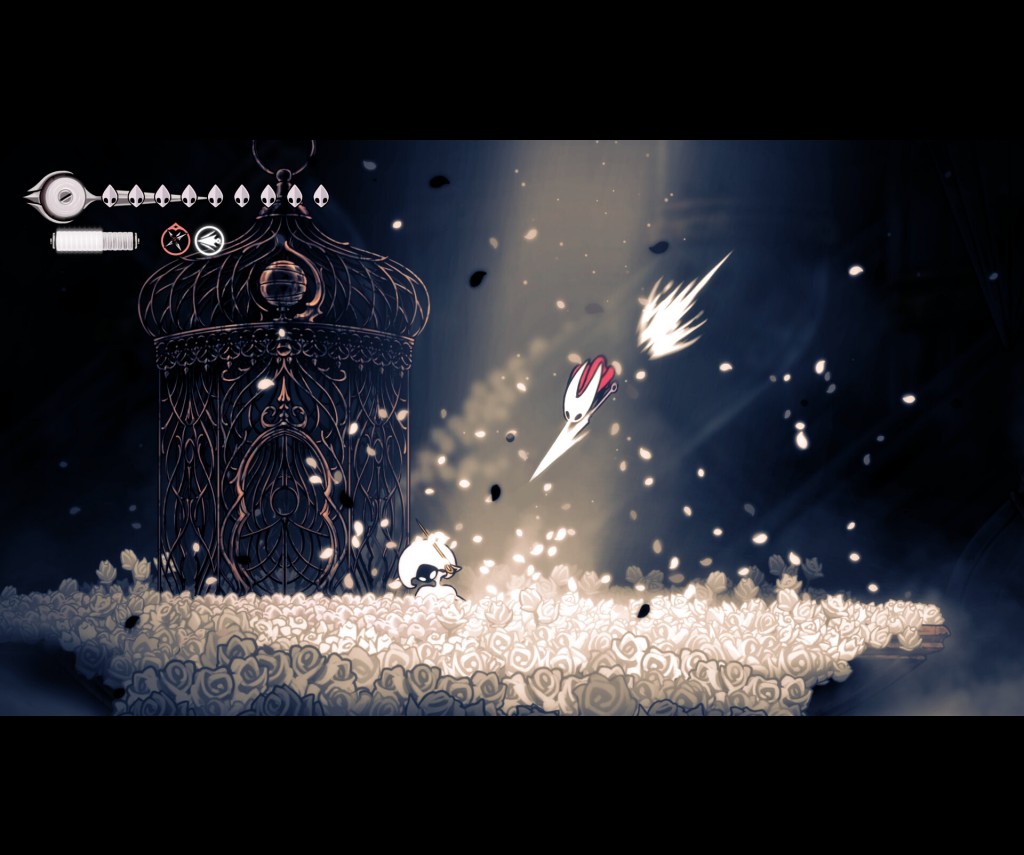
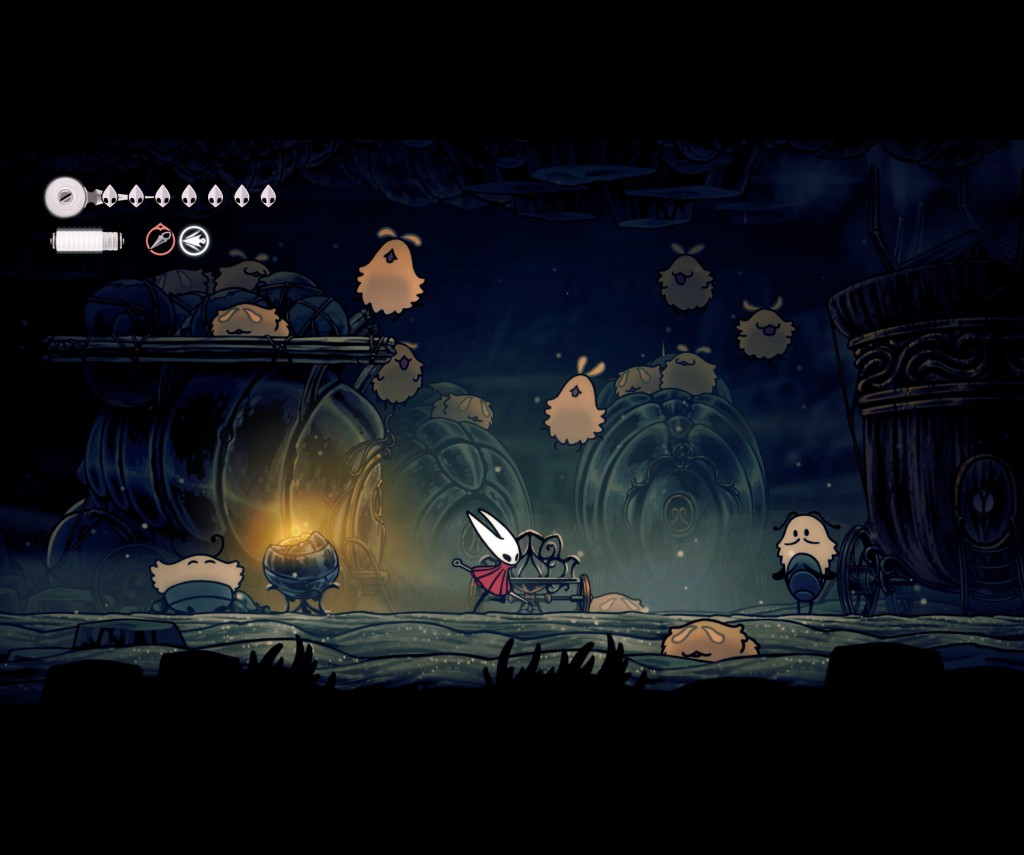
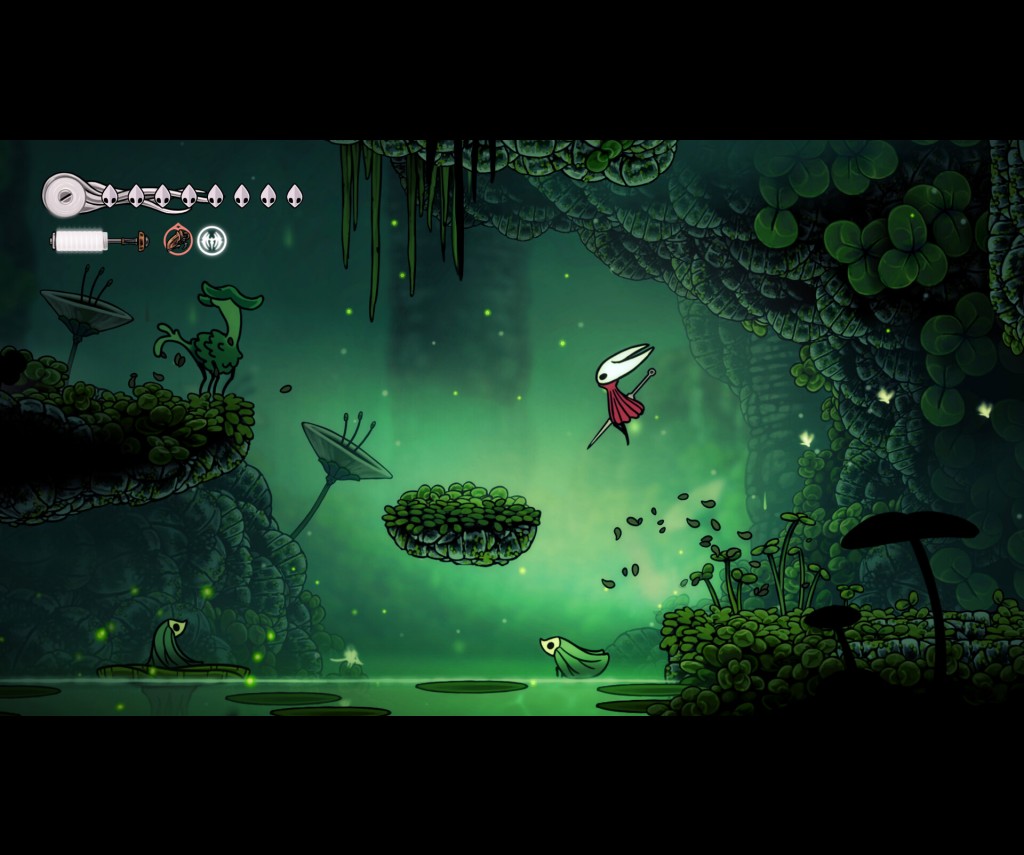
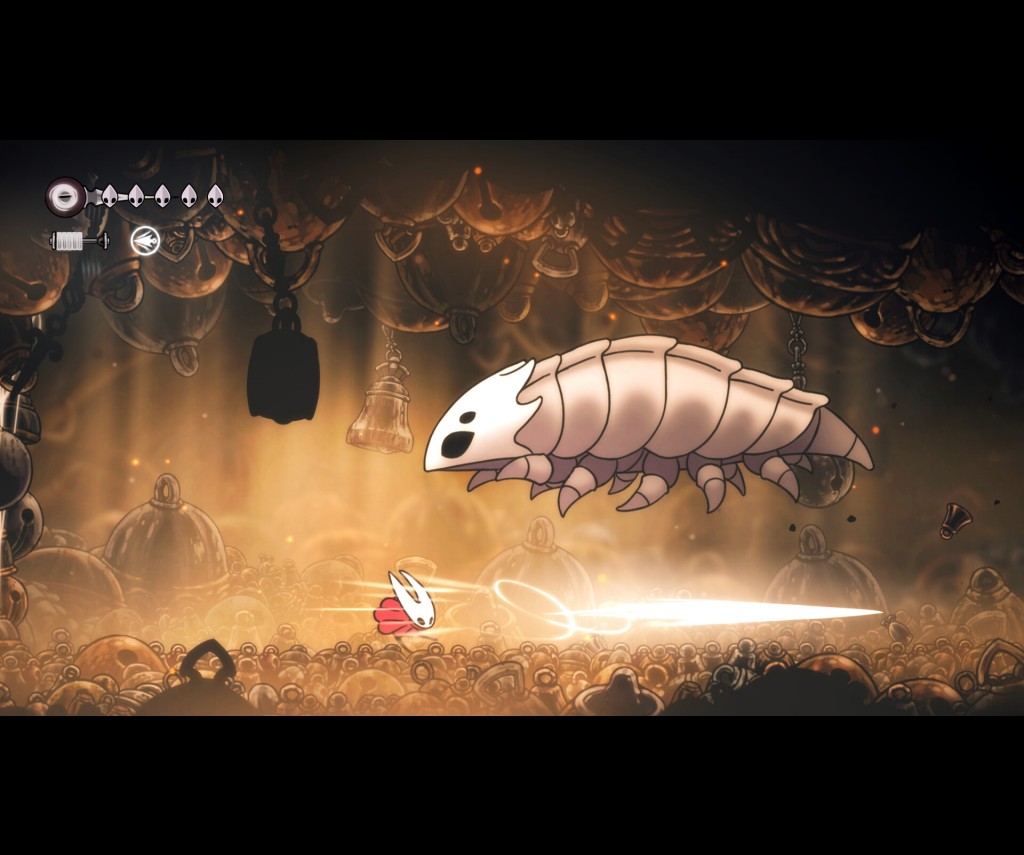
Hollow Knight: Silksong takes everything great about the first game and refines it. Once again, we have the delightful art style that seems like a cross between Dark Souls and Studio Ghibli, the vast interconnected map where the diverse biomes seem to flow naturally into one another, and the huge variety of enemies and bosses. However, everything is dialed up from the first outing. The map is bigger, the art more detailed, and the bosses more diverse in their appearance and attack patterns. It's not unfair to refer to this as a sort of Hollow Knight +, though that is not to say there are no significant changes.
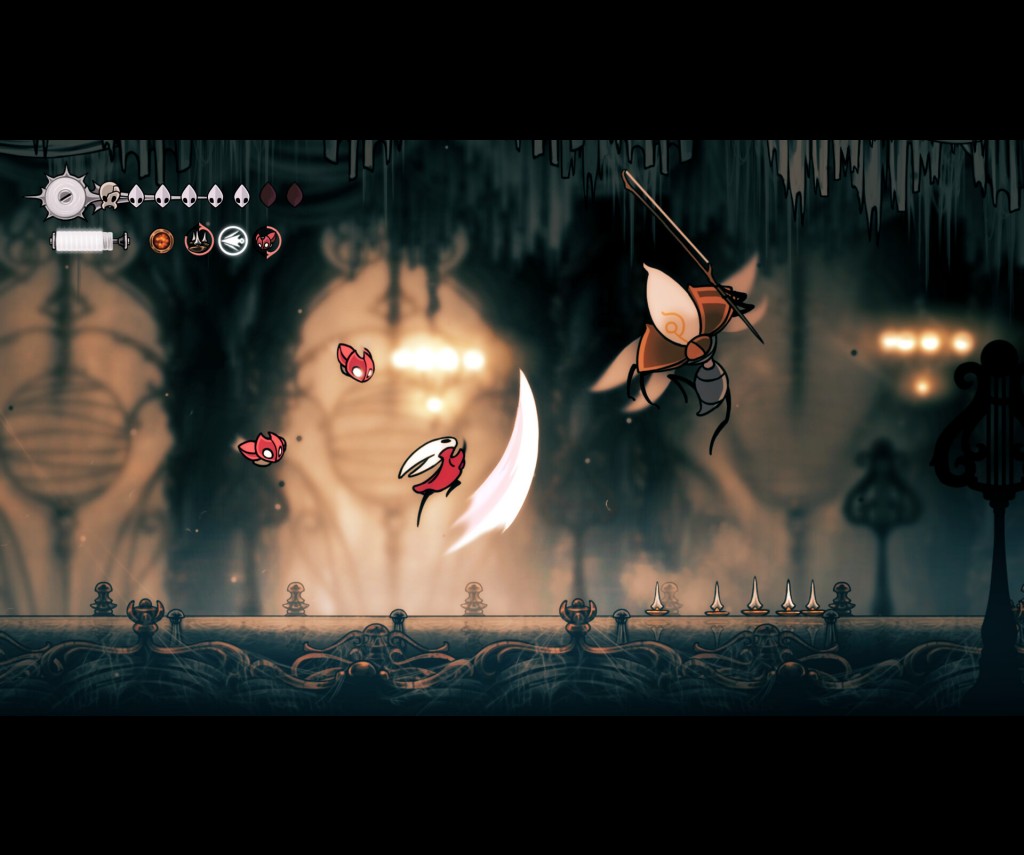
The biggest change here is the introduction of crests, which allows you to change Hornet's fighting style. Letting you tailor your combat style to your own tastes and the particular challenges that you're facing. Additionally, each crests has a slightly different load-out of passive buffs and special weapons you can equip. This adds another dimension to the combat, which was arguably the shallowest part of Hollow Knight.
A Speaking Protagonist
The titular Knight in Hollow Knight was a silent protagonist making his way through the world, frequently listening to what other creatures around him had to say but contributing nothing to the conversation. This is, of course, fine for the genre; some of the most memorable characters in Metroidvanias have been silent, stoic figures like Samus Aran. However, as Hornet in Hollow Knight was a character with a voice and a personality, it wouldn't make much sense to have her suddenly contract lockjaw for the sequel.
As it turns out, this is a blessing because Hornet's serious, no-nonsense personality is a breath of fresh air in a gaming landscape populated by swarms of quipping dumb-asses, allergic to taking anything seriously. This doesn't mean that Hornet cannot be funny either, as her prickly self-seriousness allows her to play the straight man to many of the more eccentric denizens of Pharloom.
Moreover, it's pleasant to see a video game protagonist, when given a quest by a random passerby, respond to them as I would in real life. Hornet doesn't say she will drop everything to go and help so-and-so collect cloaks for the pilgrims; she just says that she has her own goals, but she will keep an eye out.
Trolling
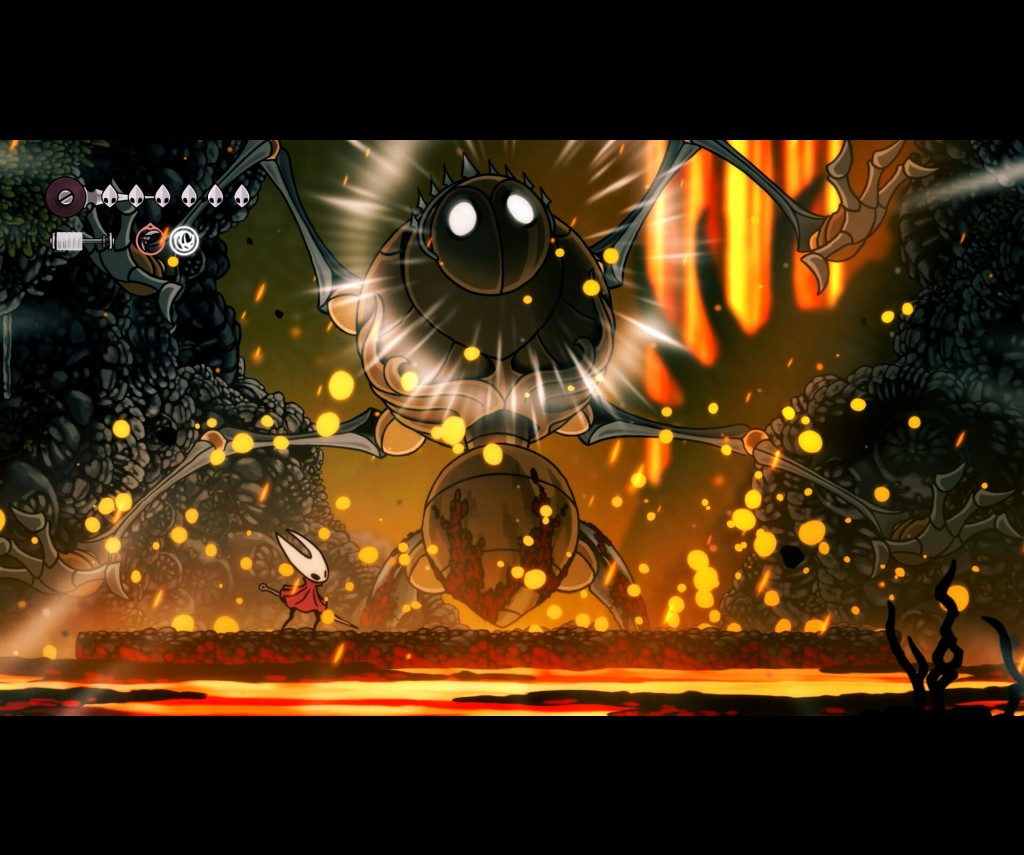
Silksong is a sequel to Hollow Knight in the same way that the original Super Mario Bros 2 was a sequel to Super Mario Bros. It assumes that everyone has played the original to death and is looking for a more involved challenge along the same lines. You do not have to play for very long for Silksong to have ramped up to the point where it is more difficult than the most challenging areas in Hollow Knight. Around the game's midpoint, every boss will begin to deal double damage and absolutely shred poor hornet's meagre healthcare. Worse, these bosses will often be protected by hellish runbacks, which means that even challenging the boss again is a difficult prospect that will strain the player's abilities. Indeed, if you ever find a checkpoint right next to a boss, you can be assured that you are dealing with one of the most difficult bosses in the game.
More amusing, and perhaps more frustrating, is Team Cherry's tendency to troll their player-base remorselessly. Bilewater, one of the most challenging and unpleasant areas in the game, has almost no checkpoints. Even worse, it has one fake-out checkpoint that looks like your average safe haven until you try to rest and wind up plummeting into a pit of maggots. This is not the only time the game pulls this kind of stunt, though it is the most memorable instance. Nor are these the only traps waiting for you in your journey through Pharloom, as the whole kingdom seems to be littered with carefully concealed hazards waiting to catch you unaware.
How the player will respond to this game design will depend a lot on the player. For me personally, a guy whose favorite area in the original Dark Souls was Sen's Fortress, I love it. Every movement is fraught with danger, and I am constantly on edge, looking for hidden dangers lurking in the darkness. For me, it's exhilarating, but I can understand why some players are throwing their controllers against the wall in frustration. It's all going to be a matter of taste. If you rage-quit Wuchang: Fallen Feathers around the Commander Honglan fight, maybe this game is not for you.
For me, the only area where the game's increased difficulty causes a serious problem is when it comes to hunting down Hornet's health upgrades. It takes four mask fragments to make a new mask, and when almost all the bosses deal two damage per hit (most annoying when you accidentally bump into them), this means it takes eight mask fragments to equal a single health point. As a result, when I actually find these health upgrades, they feel effectively worthless. I'm better off finding a new equip-able item or locating a missing flea than I am getting a health upgrade, as each individual one is almost worthless. I would prefer if they had fewer health collectibles across the map and made them do more.
As always, follow Hooked Gamers on Instagram for news updates, reviews, competitions and more.
9.5
fun score
Pros
Expands and improves on the original, A vast, beautiful world, populated by a huge variety of enemies and bosses, A deeper, more customizable combat experience
Cons
Increased damage by bosses means that health upgrades feel worthless, If you can't handle a little trolling, the game is going to raise your blood pressure